Why Small-Batch Bread Baking Is Growing at Home
The Growing Appeal of Small-Batch Bread Baking at Home
Small-batch bread baking has become a popular choice for home cooks who want fresh bread without making several loaves at once. Instead of preparing a large recipe that may take up most of the day or produce more bread than a household can use, small-batch baking focuses on manageable portions, simple ingredients, and flexible schedules.
This approach works well for beginners and experienced bakers alike. It can make the process feel less demanding while still providing the satisfaction of mixing, shaping, and baking bread from scratch.
What Is Small-Batch Bread Baking?
Small-batch bread baking generally means making one small loaf, a few rolls, or another limited portion rather than a large quantity. The exact size depends on the recipe, but the goal is to create enough bread for a meal or a few days.
A typical small-batch recipe may use:
- Two to three cups of flour
- A small amount of yeast or sourdough starter
- Water or another liquid
- Salt and optional flavorings
The smaller quantity does not mean the bread has to be plain. Home bakers can add herbs, seeds, grains, cheese, dried fruit, or nuts according to their preferences.
Why More People Are Choosing Smaller Batches
Less Food Waste
One of the clearest benefits is that small recipes can help reduce waste. A full-size loaf may become stale before it is finished, especially in a smaller household. Baking a smaller amount makes it easier to match the recipe to actual needs.
Small batches can also encourage more thoughtful meal planning. A baker might prepare a few rolls for dinner, a small sandwich loaf for the week, or a handful of flatbreads for a weekend meal.
Fresh Bread More Often
Bread is at its best when it is fresh. A small loaf can be baked more frequently, allowing people to enjoy different styles without storing a large amount for long periods.
This also creates opportunities to experiment. One week might feature a soft white loaf, while the next includes a whole-grain bread or a loaf flavored with roasted garlic and herbs.
A Manageable Introduction to Baking
Large bread recipes can feel intimidating because they involve many ingredients, long rising times, and detailed instructions. A smaller recipe is often easier to understand and handle.
Beginners can learn the basic stages of bread baking one at a time:
- Mixing the dough
- Kneading or folding
- Allowing the dough to rise
- Shaping the loaf
- Baking and cooling
Because the quantities are smaller, mistakes may feel less discouraging. Each bake becomes a practical lesson for the next one.
Flexible Timing
Small-batch recipes are often easy to adjust to a busy schedule. Some doughs can be mixed in the evening and left to rise slowly in the refrigerator. Others can be prepared in the morning and baked later in the day.
A smaller loaf may also bake more quickly than a large one. This can be useful for people who want fresh bread but do not want to spend several hours managing a large production.
Essential Equipment for Small-Batch Bread
Small-batch baking does not require a fully equipped professional kitchen. Many recipes can be made with basic tools, including:
- A mixing bowl
- Measuring cups or a kitchen scale
- A wooden spoon or sturdy spatula
- A clean work surface
- A baking sheet or small loaf pan
- Parchment paper, if desired
- A cooling rack
A kitchen scale can improve accuracy, especially when measuring flour. However, beginners can start with measuring cups and gradually add equipment as their interest grows.
A Dutch oven or covered baking pot can help create a crisp crust by holding steam around the loaf. It is useful but not essential. A baking sheet or loaf pan can produce excellent results with the right recipe.
Popular Styles for Home Bakers
Small batches work with many types of bread. A few approachable options include:
Simple Sandwich Bread
A small sandwich loaf is soft, versatile, and easy to portion. It can be used for toast, lunches, or breakfast. This style is a practical starting point because it usually has a predictable shape and texture.
Rustic Round Loaves
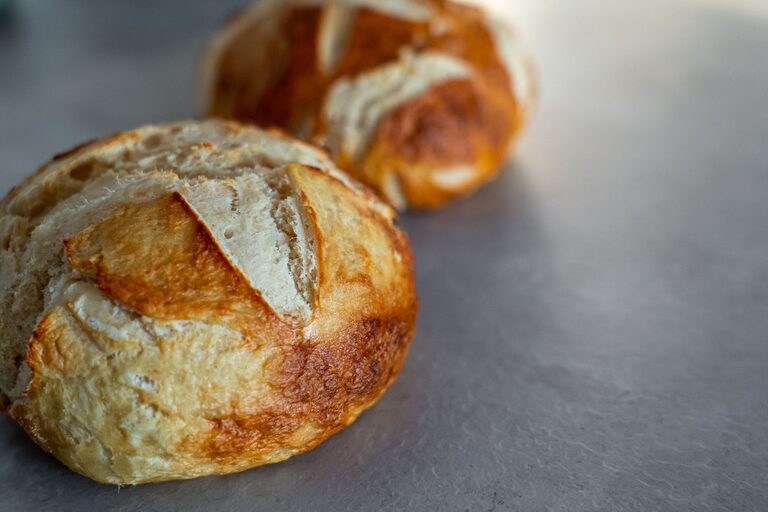
A rustic loaf can be shaped by hand and baked on a sheet or in a covered pot. Its uneven appearance is part of its charm, making it a comfortable choice for beginners.
Flatbreads
Flatbreads require little shaping and often cook quickly. They can be made in a skillet or oven and served with soups, salads, vegetables, or grilled foods.
Small Dinner Rolls
A batch of four to six rolls may be enough for a family meal. Rolls are also a convenient way to practice shaping without committing to a full loaf.
Tips for Better Results
Measure Carefully
Flour can vary in volume depending on how it is scooped. For more consistent results, spoon flour into a measuring cup and level it, or use a kitchen scale.
Pay Attention to the Dough
Recipes provide measurements, but the dough itself offers useful clues. It may feel slightly sticky at first and become smoother after resting or folding. Avoid adding large amounts of flour too quickly, as this can make the finished bread dense.
Allow Enough Rising Time
Dough often needs more time to rise in a cool kitchen and less time in a warm one. Rather than relying only on the clock, look for signs such as increased volume and a lighter, softer texture.
Let the Bread Cool
Fresh bread can be difficult to slice immediately. Cooling allows the inside to finish setting and makes cleaner slices possible. Although the aroma may be tempting, waiting can improve the final texture.
Making Small-Batch Baking More Creative
Once the basic process feels comfortable, bakers can experiment with flavor and texture. Possible additions include:
- Whole-wheat or rye flour
- Sunflower, pumpkin, or sesame seeds
- Fresh rosemary, thyme, or chives
- Shredded cheese
- Oats or cooked grains
- Cinnamon, raisins, or dried cranberries
It is best to change one major element at a time. This makes it easier to understand how each ingredient affects the dough. For example, whole-grain flour may absorb more liquid, while seeds can add weight and texture.
Storing and Using Small Loaves
After cooling, bread can usually be stored in a bread bag, paper bag, or airtight container, depending on the desired crust. A paper bag helps preserve a crisp crust, while an airtight container keeps softer bread from drying quickly.
If the loaf will not be eaten within a few days, slicing and freezing it can be a practical option. Individual slices can be removed as needed and warmed in a toaster or oven.
Small-batch bread can also be used creatively when it is no longer at its freshest. Slightly firm slices work well for toast, croutons, bread crumbs, grilled sandwiches, or baked breakfast dishes.
A Simple Way to Begin
New bakers can start with one reliable recipe and repeat it several times. Keep notes about the flour, room temperature, rising time, and final texture. Small adjustments become easier to understand through practice.
The appeal of small-batch bread baking lies in its balance of simplicity and creativity. It provides fresh food, encourages useful kitchen skills, and fits comfortably into everyday routines. With a few basic tools and a willingness to experiment, home bakers can make enjoyable bread in quantities that suit their homes and schedules.