Global Flavors: Cooking Classes for Women 65+
A Taste of the World in Every Class
Cooking classes that introduce women 65 and older to global flavors offer more than a collection of new recipes. They create a welcoming space to explore ingredients, cooking traditions, and stories from around the world.
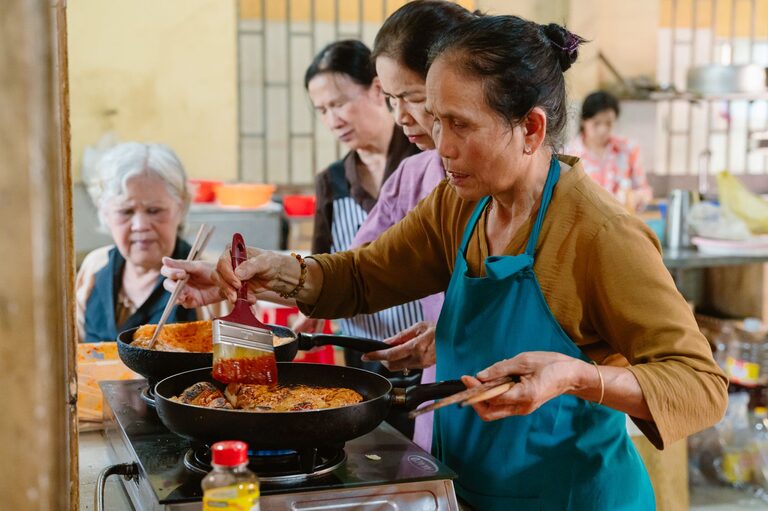
Each class may focus on a different region, such as the Mediterranean, Southeast Asia, West Africa, Latin America, or the Middle East. Participants learn how local ingredients and cooking methods shape everyday meals. Along the way, they can share memories, ask questions, and enjoy the simple pleasure of preparing food together.
For many women, these classes are an easy and enjoyable way to try something new without needing to plan an entire international meal at home.
Why Global Cooking Classes Are Appealing
Global cooking classes can be especially rewarding for older adults because they combine learning, creativity, and social connection in one activity.
A chance to keep learning
There is no age limit on discovering new foods. A class might introduce participants to ingredients they have never used before, such as sumac, plantains, coconut milk, preserved lemons, or rice noodles.
Students also learn how these ingredients are used in traditional dishes. A cooking instructor can explain how to balance flavors, prepare unfamiliar vegetables, or adapt a recipe with items commonly found at local grocery stores.
A welcoming social experience
Cooking is often more enjoyable when it is shared. Classes give participants a chance to meet others with similar interests and work together toward a common meal.
Some groups attend with friends, while others arrive alone and quickly become part of the activity. Chopping, stirring, tasting, and setting the table naturally encourage conversation.
A creative outlet
Cooking allows for personal expression. Participants can adjust seasonings, experiment with presentation, or choose new combinations of ingredients. Even a familiar dish can feel fresh when prepared with a different spice blend or cooking method.
The goal is not perfection. It is the opportunity to enjoy the process and leave with ideas to try at home.
Popular Global Themes for Cooking Classes
A good program may offer a series of classes, with each session highlighting a particular region or culinary tradition.
Mediterranean cooking
Mediterranean-themed classes often feature colorful vegetables, grains, beans, herbs, seafood, and flatbreads. Participants might prepare dishes such as roasted vegetables, lentil soup, stuffed grape leaves, or a simple herb salad.
These classes can also introduce traditional techniques, including making a fresh dressing, preparing grains, or combining herbs with citrus and olive oil.
Latin American flavors
Latin American cooking includes a wide range of regional traditions. A class might explore Mexican, Peruvian, Cuban, Brazilian, or Caribbean recipes.
Possible dishes include corn-based snacks, bean stews, rice dishes, fresh salsas, or fruit desserts. Students often enjoy learning how ingredients such as lime, cilantro, chilies, corn, and tropical fruit create bright and layered flavors.
Southeast Asian dishes
Southeast Asian classes may introduce ingredients such as ginger, lemongrass, curry paste, rice noodles, and coconut milk. Recipes might include vegetable stir-fries, noodle bowls, spring rolls, or fragrant soups.
Instructors can demonstrate how to build flavor gradually, starting with aromatics and adding sauces, herbs, and toppings near the end.
Middle Eastern traditions
Middle Eastern cooking offers many opportunities to explore grains, legumes, vegetables, herbs, and warm spices. Participants may learn to make hummus, tabbouleh, stuffed vegetables, flatbreads, or fruit and nut pastries.
These classes often emphasize sharing. Several small dishes may be prepared and placed in the center of the table for everyone to enjoy.
West African cuisine
West African cooking classes can introduce hearty stews, grains, beans, root vegetables, and spice blends. Dishes may vary widely by country and region, making this a rich topic for discussion.
A class can include background about the ingredients and how recipes are adapted within families. This helps participants understand that global cuisine is not a single style but a collection of diverse food traditions.
What to Look for in a Class
Not every cooking class is designed in the same way. Before signing up, it helps to consider the format and level of support provided.
Look for classes that offer:
– Clear instructions and demonstrations
– Recipes printed in an easy-to-read format
– Enough time for questions and practice
– Small or moderate group sizes
– Comfortable seating and work areas
– Accessible kitchen tools and counters
– Opportunities to taste the finished dishes
– Information about where to find unfamiliar ingredients
– Options for adapting recipes to personal preferences
A class should feel encouraging rather than rushed. Instructors who explain each step clearly can help participants feel confident, especially when working with new techniques.
Making the Experience Comfortable
A thoughtful program considers comfort as well as cooking. Some participants may prefer to sit during demonstrations or alternate between standing and seated tasks. Well-organized workstations can make it easier for everyone to participate.
It is also useful when recipes include practical alternatives. For example, an instructor might suggest a locally available substitute for a specialty ingredient or explain how to prepare a dish with a milder seasoning level.
Participants should feel comfortable sharing questions in advance. Asking about the class schedule, kitchen setup, recipe format, and available accommodations can help ensure a pleasant experience.
Bringing Global Flavors Home
One of the best parts of a cooking class is taking the experience into the home kitchen. Participants do not need to recreate an entire feast. Starting with one recipe is often enough.
A simple plan might include:
- Choose one dish from the class.
- Write down the key ingredients and steps.
- Shop for fresh items while the recipe is still familiar.
- Prepare the dish for a friend or family member.
- Note what worked and what could be adjusted next time.
Keeping a small notebook can also be helpful. Participants can record favorite recipes, ingredient substitutions, cooking times, and flavor combinations they would like to try again.
Turning Lessons Into Shared Traditions
Global cooking classes can inspire new traditions at home. A group of friends might host a monthly international dinner, with each person choosing a dish from a different region.
Families can also get involved. Grandchildren may enjoy learning how to fold dumplings, shape flatbreads, or decorate a dessert. Sharing a recipe can become a way to exchange stories across generations.
The experience does not have to be elaborate. A themed meal, a new sauce, or a side dish can bring variety to an ordinary week.
A Delicious Way to Stay Curious
Cooking classes for women 65 and older offer a friendly way to explore the world through food. They combine practical skills with creativity, conversation, and cultural discovery.
Whether the focus is on fragrant spices, fresh herbs, handmade dough, or colorful vegetables, every class provides an invitation to be curious. Participants can leave with a new recipe, a better understanding of another food tradition, and perhaps a few new friends to share the next meal.