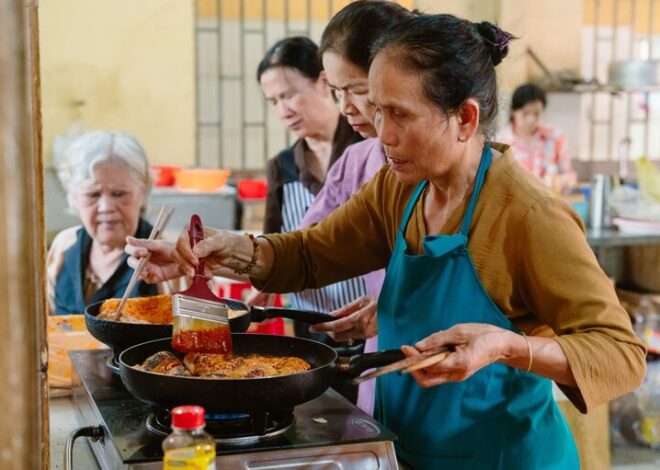

The Rise of Garden to Table Supper Clubs
Garden to table supper clubs are creating new ways for neighbors to connect over fresh, seasonal meals. These informal gatherings combine home gardening, shared cooking, and community dining, often taking place in backyards, community gardens, patios, or local gathering spaces.
Unlike traditional restaurants, supper clubs are usually organized by residents, friends, or small community groups. The menu may be built around vegetables harvested that morning, herbs grown nearby, homemade bread, or fruit picked at the height of the season. The setting is often relaxed, with long tables, shared dishes, and plenty of conversation.
As interest in local food and hands-on cooking grows, garden to table supper clubs are becoming an appealing way to celebrate what communities can grow and prepare together.
What Is a Garden to Table Supper Club?
A garden to table supper club is a recurring or occasional meal centered on locally grown ingredients. The food may come from a host’s garden, a community plot, nearby farms, or several household gardens working together.
Some supper clubs follow a regular schedule, such as one dinner each month. Others gather for special occasions, including the first tomato harvest, the start of summer, or the end of the growing season.
These gatherings can take many forms:
– A neighborhood potluck featuring homegrown produce
– A chef-led dinner in a community garden
– A rotating meal hosted by different households
– A seasonal tasting menu prepared by local cooks
– A shared cooking event followed by dinner
– A fundraiser for a garden, school, or community project
There is no single formula. The most successful clubs often leave room for participants to shape the experience.
Why These Clubs Are Growing
Several simple factors are helping garden to table supper clubs gain popularity.
A Desire for Meaningful Connection
Many people are looking for low-pressure ways to meet neighbors and spend time together. Sharing a meal offers a natural starting point. Guests can talk while preparing food, serving dishes, or sitting around the table.
A supper club can also help new residents feel more connected to a neighborhood. A shared meal creates an opportunity to exchange stories, recipes, gardening tips, and local knowledge.
More Interest in Seasonal Food
Seasonal ingredients often inspire cooks to try new recipes. A basket of zucchini, a harvest of fresh herbs, or an abundance of berries can become the foundation for an entire meal.
Cooking with what is available encourages flexibility. Instead of starting with a fixed menu, hosts may begin with the garden and build the meal from there. This approach can make food preparation more creative and reduce the pressure to find specialty ingredients.
A Practical Way to Share Garden Harvests
Home gardeners often face the challenge of managing a large harvest. A supper club turns extra produce into a shared experience.
Rather than giving away bags of vegetables without a plan, gardeners can contribute ingredients to a meal. A surplus of green beans might become a salad, while extra tomatoes could be used for soup, sauce, or a simple appetizer.
This approach helps make the most of food that has already been grown and harvested.
How a Supper Club Usually Works
Although each group is different, a basic supper club can be organized with a few clear steps.
1. Choose the Group and Schedule
Start with a manageable number of guests. Six to twelve people can be enough for a warm, social gathering, while larger groups may require more planning.
Decide whether the club will meet:
– Monthly
– Once per season
– On a rotating host schedule
– For special harvest events
A regular schedule helps participants plan ahead, but occasional gatherings can be easier for groups that have busy calendars.
2. Select a Theme or Main Ingredient
A simple theme gives the meal direction without making it feel formal. Ideas include summer vegetables, fresh herbs, apples, garden grains, or a particular cooking method.
The theme can also reflect the growing season. Early spring meals may feature greens and herbs, while late summer dinners might highlight tomatoes, peppers, corn, and squash.
3. Divide Responsibilities
Sharing tasks keeps the event enjoyable for the host. Participants might be asked to bring:
– A garden ingredient
– A prepared dish
– Bread or dessert
– Drinks
– Plates, glasses, or serving utensils
– Table decorations
– Music or outdoor lighting
It is helpful to assign broad categories rather than exact recipes. This gives guests room to contribute based on what they have available.
4. Plan the Setting
The setting does not need to be elaborate. A picnic table, folding tables, or a few small tables can work well. If the meal takes place outdoors, plan for shade, lighting, and a backup location in case of rain.
A relaxed atmosphere often matters more than formal decoration. Reusable plates, cloth napkins, simple flowers, and handwritten menu cards can add charm without creating unnecessary work.
Building a Menu Around the Garden
Garden-focused meals are most enjoyable when the menu balances freshness with practicality. A useful structure might include:
– One or two small starters
– A seasonal salad
– A main dish with a filling side
– Fresh bread or another simple accompaniment
– A fruit-based dessert
– A nonalcoholic seasonal drink
The menu should include a mix of familiar and new flavors. Guests may be more willing to try an unfamiliar vegetable when it is served alongside recognizable dishes.
Hosts should also ask about food allergies, dietary preferences, and ingredient concerns before the event. Clear communication helps everyone feel comfortable and allows the group to plan suitable options.
Making the Event Welcoming
A supper club should feel accessible rather than exclusive. Not everyone has a garden, cooking experience, or knowledge of seasonal ingredients. Participation can take many forms.
Someone might bring a store-bought loaf of bread, help set the table, share a family recipe, or assist with cleanup. New gardeners can contribute enthusiasm and curiosity without needing a large harvest.
Some groups also include a short garden tour, seed exchange, recipe card table, or cooking demonstration. These activities add an educational element while giving guests more ways to participate.
Challenges to Consider
Garden to table supper clubs are rewarding, but they can have practical challenges.
Harvests are unpredictable, and a planned ingredient may not be ready on time. Weather can affect outdoor meals, while different cooking skills can make coordination difficult. Hosts may also take on too much responsibility if tasks are not shared.
A few simple practices can help:
– Keep the guest list realistic
– Use backup ingredients when needed
– Assign tasks clearly
– Choose recipes that can be prepared in advance
– Have an indoor or covered backup space
– Keep the first gathering simple
– Set a cleanup plan before the meal begins
The goal is to create a repeatable tradition, not a one-time production that leaves the host exhausted.
The Community Value of Shared Meals
The appeal of garden to table supper clubs extends beyond the food. These gatherings can strengthen relationships, support local growing, and encourage people to learn more about where ingredients come from.
They also create space for knowledge sharing. Experienced gardeners can offer planting advice, while new cooks can exchange preparation ideas. Children may enjoy helping harvest vegetables, arrange the table, or make simple desserts.
Over time, a supper club can become part of a neighborhood’s seasonal rhythm. A spring herb dinner, summer tomato night, and autumn harvest table can give people regular opportunities to gather and celebrate local food.
Starting Your Own Garden to Table Supper Club
The easiest way to begin is with a small invitation and a clear plan. Choose a date, identify a simple theme, and ask each guest to contribute one item or task.
Start with what is already available. A meal built around a few garden ingredients can be just as memorable as a complicated menu. Focus on conversation, cooperation, and making guests feel welcome.
With time, the group may develop its own traditions, favorite recipes, and hosting routines. Whether it meets in a backyard or a community garden, a garden to table supper club offers a practical and enjoyable way to bring local food and local people together.