
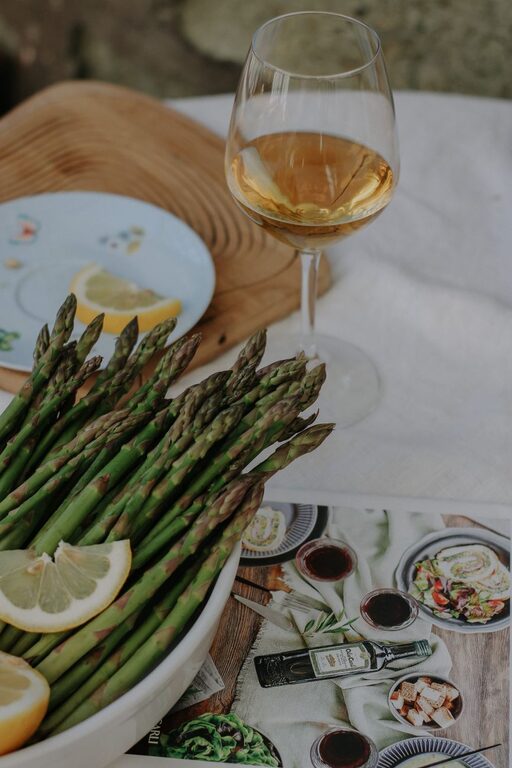
Exploring Regional Cookbooks Through Monthly Tasting Gatherings
A cookbook can be more than a collection of recipes. It can serve as a guide to a place, introducing readers to local ingredients, cooking methods, family traditions, and stories gathered around the table. One enjoyable way to explore this wider world is through a monthly tasting gathering centered on a regional cookbook.
These gatherings combine reading, cooking, and conversation. Each month, participants choose a cookbook from a particular region, prepare a few dishes, and meet to taste the results. The format works for a small group of friends, a neighborhood club, a library program, or a community organization.
What Makes a Regional Cookbook Special?
Regional cookbooks often reflect the landscape and daily life of a place. A coastal cookbook may highlight seafood, fresh herbs, and bright flavors, while a mountain-focused collection may feature grains, preserved foods, and hearty stews. The recipes can reveal how people use what is available around them.
Many regional cookbooks also include:
– Notes about local ingredients
– Family histories and personal memories
– Seasonal cooking advice
– Information about traditional tools
– Photographs of markets, kitchens, and landscapes
– Variations on familiar dishes
Reading these details before cooking can make the gathering more meaningful. Participants begin to understand each dish as part of a larger food tradition rather than as an isolated recipe.
Starting Your Monthly Gathering
The first step is to decide how often the group will meet and how many people to invite. A group of six to twelve participants is often large enough for variety but small enough for comfortable conversation.
Choose a regular day each month, such as the first Saturday or the third Thursday. A dependable schedule makes it easier for everyone to plan ahead.
Before the first meeting, agree on a few simple guidelines:
– Each gathering will focus on one regional cookbook.
– Participants will sign up for specific dishes.
– The host will provide basic drinks and serving supplies.
– Recipes should be shared in advance.
– Guests should mention allergies or dietary preferences early.
– Everyone will help with setup and cleanup.
The goal is to create a relaxed, welcoming experience. The gathering does not need to feel like a cooking competition. Homemade dishes may look different from the photographs in the book, and that is part of the fun.
Choosing Cookbooks and Regions
A strong reading list offers variety in geography, ingredients, and cooking styles. You might begin with regions that are familiar to the group, then gradually explore less familiar cuisines and food traditions.
When selecting a cookbook, look for one that includes more than a long list of recipes. Helpful features include clear instructions, background information, ingredient notes, and practical substitutions.
Consider building a yearly schedule around themes such as:
- Coastal cooking
- Mountain and countryside dishes
- Market-inspired vegetable recipes
- Bread and baking traditions
- Festival and holiday foods
- Street food and casual meals
- Preserved and fermented ingredients
- Family-style comfort food
You can also invite participants to nominate books. A short discussion before the final choice allows the group to compare options and select a book that feels interesting and manageable.
Planning the Menu
One cookbook may contain dozens or even hundreds of recipes, so it helps to create a focused menu. Select three to five dishes that offer different textures, flavors, and levels of effort.
A balanced menu might include:
– One small appetizer or snack
– One vegetable dish
– One main dish
– One grain, bread, or noodle recipe
– One dessert or sweet treat
Avoid choosing only complicated recipes. If every dish requires several hours of preparation, participants may feel overwhelmed. Include a mixture of simple and more involved recipes so that everyone can take part.
It is also useful to consider the order in which dishes will be served. Cold salads, spreads, and baked goods can often be prepared ahead of time. Dishes that need to be served hot should be assigned to cooks who have access to the gathering kitchen or a clear reheating plan.
Sharing Cooking Responsibilities
A shared spreadsheet, group message, or simple sign-up sheet can keep planning organized. List each recipe, the person responsible, serving size, and any special equipment needed.
Encourage participants to read their recipes carefully and report questions before the gathering. Some recipes may call for ingredients that are difficult to find locally. In those cases, the group can discuss reasonable alternatives while preserving the character of the dish.
A few practical tips can make the process easier:
– Double-check cooking times for shared meals.
– Label dishes that contain common allergens.
– Bring serving utensils with each dish.
– Note whether a recipe is vegetarian, vegan, or gluten-free.
– Prepare ingredients ahead when the recipe allows.
– Keep a backup snack available in case a dish does not turn out as planned.
Substitutions should be approached with curiosity rather than concern. A different variety of pepper, a local herb, or a store-bought alternative can lead to a useful conversation about availability and adaptation.
Adding Context to the Gathering
Food tastes richer when participants know a little about its background. At the beginning of each meeting, spend five or ten minutes introducing the selected region and cookbook.
A volunteer might share:
– Where the cookbook’s recipes come from
– What ingredients appear throughout the book
– How the region’s climate affects its food
– A short note about the author or contributors
– An interesting detail from the cookbook’s introduction
Keep the presentation brief and accessible. The purpose is to encourage conversation, not to deliver a formal lecture.
You can also decorate the table with a map, printed recipe cards, seasonal produce, or photographs related to the region. Simple details help create a sense of place without requiring a large budget.
Guiding the Tasting Conversation
After everyone has served themselves, invite the group to compare impressions. Open-ended questions work better than questions with right or wrong answers.
Try asking:
– Which flavor stood out first?
– Did the dish taste as you expected?
– What ingredient was new to you?
– Which recipe would you make again?
– Did the cooking method change the texture?
– What might you serve alongside this dish?
– How did the homemade version compare with familiar foods?
Encourage participants to discuss both successes and surprises. A recipe that seemed unusual on the page may become a favorite at the table. Another dish may require adjustments before it works well for the group.
Keep the conversation respectful and focused on personal experience. Regional cooking is diverse, and one cookbook cannot represent every household or community within a place.
Recording the Group’s Food Journey
At the end of each meeting, collect a few notes. These can become a shared journal or digital archive of the group’s year of cooking.
Record:
– The cookbook and region
– The dishes prepared
– Favorite recipes
– Useful ingredient substitutions
– Memorable discoveries
– Suggestions for future menus
Participants may also take photographs of the table and finished dishes. Over time, these records create a personal cookbook filled with memories, comments, and adaptations.
You could finish the year by preparing a menu made up of favorite recipes from previous gatherings. This gives the group a chance to revisit successful dishes and celebrate the connections formed along the way.
Making the Tradition Welcoming
A monthly cookbook gathering should be enjoyable for experienced cooks and beginners alike. Remind participants that they do not need advanced skills to contribute. A simple salad, a loaf of bread, or a carefully prepared drink can be just as valuable as a complex main dish.
Rotate hosting duties so no single person carries all the work. Offer flexible ways to participate, including shopping, setting the table, sharing background information, or helping with cleanup.
Most importantly, make room for conversation. The recipes provide a starting point, but the real value of the gathering comes from learning together, sharing effort, and discovering how food connects people with places and memories.

Related Posts

The Joy of Making Homemade Jam From Seasonal Fruit
Global Flavors: Cooking Classes for Women 65+