
New Kitchen Tools That Make Homemade Pasta More Enjoyable
Making homemade pasta can be relaxing, creative, and rewarding, but the right tools make the process much easier. New kitchen tools now help with everything from mixing and rolling dough to shaping noodles and cleaning up afterward. Many are compact, simple to use, and practical for cooks who want fresh pasta without turning the kitchen into a full-time project.
Whether you are making pasta for the first time or looking for a smoother routine, these tools can make each step more enjoyable.
A Better Way to Start With Pasta Dough
The basic ingredients for pasta dough are simple: flour, eggs, water, and sometimes salt or olive oil. The challenge is getting the texture right. A few newer tools can make mixing and kneading more consistent.
Digital Kitchen Scales
A digital kitchen scale is one of the most useful tools for homemade pasta. Measuring flour by volume can produce different results depending on how tightly it is packed into a cup. Weighing ingredients gives you a more reliable starting point.
Look for a scale with:
– A clear, easy-to-read display
– A tare button for resetting the weight
– A flat surface that is simple to wipe clean
– Measurements in both grams and ounces
Once you find a dough ratio you like, recording the ingredient weights makes it easier to repeat the recipe.
Dough Scrapers
A bench scraper is a small, inexpensive tool with many uses. It can gather loose flour, cut dough into portions, and lift sticky pieces from the work surface. Some newer versions have comfortable handles or flexible edges that make them easier to control.
A scraper also helps keep your counter cleaner. Instead of pushing flour around with your hands, you can quickly collect it and add it to the dough or discard it.
Stand Mixer Pasta Attachments
A stand mixer can handle the initial mixing and kneading, which is helpful when the dough feels firm or difficult to work by hand. Pasta-specific attachments may include dough hooks, cutters, or rollers that connect directly to the mixer.
This setup is especially useful when making several batches. The mixer does the most demanding work while you prepare fillings, sauces, or cooking water.
However, the dough should still be checked by hand. Pasta dough needs to feel smooth and firm, not dry or crumbly. If it seems too dry, add a small amount of water. If it feels sticky, dust it lightly with flour.
Tools for Rolling Pasta More Easily
Rolling dough evenly is one of the most important steps in making fresh pasta. Uneven dough can cook at different speeds, while dough that is too thick may feel heavy. Modern rolling tools help make the process more controlled.
Adjustable Pasta Rollers
Traditional pasta rollers require you to change settings manually as the dough becomes thinner. Newer models often include smoother adjustment systems, clearer thickness markings, and wider rollers.
When choosing a pasta roller, consider:
– The number of thickness settings
– The width of the rollers
– Whether it clamps securely to the counter
– How easily the rollers can be cleaned
– Whether replacement parts are available
A sturdy clamp keeps the machine from shifting while you work. This small detail can make rolling much less frustrating.
Electric Pasta Machines
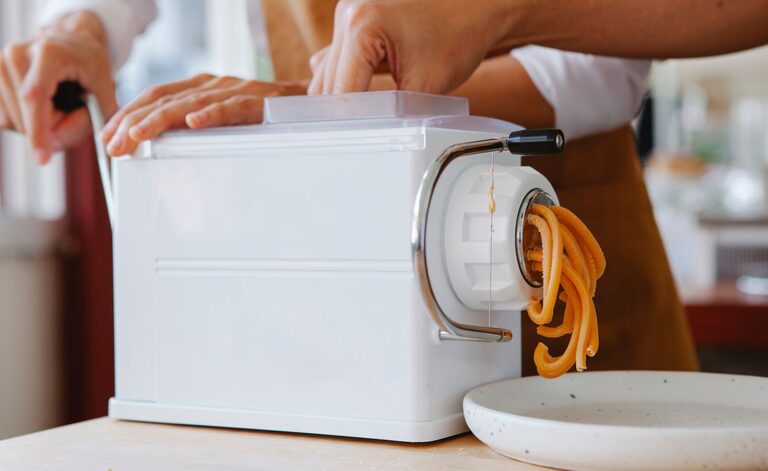
Electric pasta machines combine mixing, kneading, and shaping in one appliance. Some models allow you to add ingredients, choose a pasta shape, and let the machine form the dough with limited hands-on work.
These machines are convenient for busy cooks, although they may take up more storage space than a manual roller. They are a good choice if you want fresh pasta regularly but prefer a shorter preparation routine.
Before buying one, check how easy it is to remove dough from the shaping disks. A machine that is simple to clean is more likely to be used often.
Silicone Pastry Mats
A silicone pastry mat gives you a smooth, nonstick surface for rolling and cutting pasta. Many mats include measurement lines or circles that help with portioning dough.
Silicone mats also protect countertops and can be rolled up for storage. Choose one that is large enough to work on comfortably but still fits your available counter space.
Shaping Tools for More Variety
Once pasta is rolled, shaping it can be the most creative part. New tools make it easy to try different styles without needing advanced hand skills.
Pasta Cutters and Wheels
A fluted pasta wheel creates decorative edges on ravioli, lasagna sheets, and other pasta shapes. Straight-edged wheels are useful for cutting strips or creating clean squares.
Some cutters include several interchangeable wheels, allowing you to switch between smooth and decorative edges. A comfortable handle is important because repeated cutting can become tiring.
Ravioli Stamps and Molds
Ravioli stamps and molds help create evenly sized filled pasta. They guide the cutting process and press the edges together for a neat finish.
For the best results:
- Place small amounts of filling at regular intervals.
- Brush away excess flour around the edges.
- Press firmly enough to seal the dough without tearing it.
- Check each piece for air pockets before cooking.
Ravioli molds are particularly helpful when preparing pasta for a group. The pieces will look more uniform and cook at a similar rate.
Gnocchi Boards and Shaping Tools
A ridged gnocchi board creates grooves that help sauce cling to the pasta. Many newer boards are made from lightweight wood, textured plastic, or washable materials.
A small fork can also shape gnocchi, but a dedicated board provides more consistent results. Pair it with a bench scraper to cut equal portions of dough quickly.
Helpful Tools for Cooking and Serving
The pasta-making process does not end when the noodles are shaped. A few practical tools can improve cooking, draining, and serving.
Pasta Drying Racks
A drying rack keeps fresh noodles separated so they do not stick together. Folding racks are especially useful for small kitchens because they can be stored in a drawer or cabinet after use.
You can also use a rack to briefly dry pasta before cooking. Fresh pasta usually needs only a short drying period, so it is best to follow the recipe instructions rather than leaving it out for a long time.
Pasta Baskets and Spider Strainers
A pasta basket or spider strainer makes it easier to lift delicate noodles from boiling water. This is helpful for filled pasta, which can tear when poured into a traditional colander.
These tools also let you transfer pasta directly into a pan of sauce while saving some cooking water. A small amount of that water can help loosen and coat the sauce.
Long Pasta Tongs
Long, gentle tongs are useful for lifting spaghetti, fettuccine, and other long noodles. Choose tongs with rounded edges that will not cut or crush fresh pasta.
A locking feature can make storage easier, while silicone tips provide a secure grip on wet noodles.
Cleaning and Storage Tools
Easy cleanup can make the difference between using your pasta tools once and making fresh pasta part of your regular routine.
Keep a small cleaning brush nearby for removing dried dough from cutters, rollers, and shaping disks. Avoid soaking tools that contain metal parts unless the manufacturer says it is safe. A dry cloth or soft brush is often enough.
For storage, consider:
– A drawer organizer for cutters and stamps
– A wall hook for a manual roller
– A container for interchangeable pasta disks
– A compact rack that folds flat
– Reusable bags for storing measured flour
Choosing the Right Tools for Your Kitchen
You do not need every pasta tool at once. Start with the items that solve your biggest challenges. A digital scale, bench scraper, and drying rack are affordable basics. If you make pasta often, add a roller or stand mixer attachment. Ravioli molds and decorative cutters are good choices when you want to explore new shapes.
The best tools are the ones that make the process feel easier and more inviting. With a few thoughtful additions, homemade pasta can become less of a special project and more of an enjoyable kitchen habit.

Related Posts

The Joy of Making Homemade Jam From Seasonal Fruit

Global Flavors: Cooking Classes for Women 65+