
Spring Farmers’ Market Finds for Fresh, Seasonal Recipes
Spring brings a fresh selection of produce to farmers’ markets, from tender greens and crisp radishes to sweet berries and fragrant herbs. Many of these ingredients are easy to prepare, making them ideal for simple meals that highlight their natural flavors.
Whether you visit a large weekend market or a small neighborhood stand, look for produce that feels firm, looks vibrant, and is free from excessive bruising. Then use your finds in recipes that are bright, flexible, and easy to share.
What to Look for at the Spring Market
Spring harvests vary by region, but several ingredients are common at markets during this season. You may find:
– Asparagus
– Peas and snap peas
– Radishes
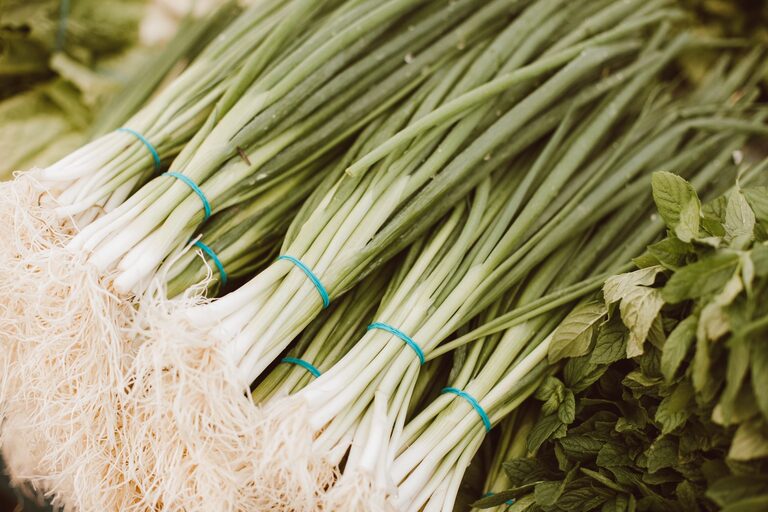
– Spring onions
– Baby lettuce and salad greens
– Spinach
– Arugula
– Strawberries
– Rhubarb
– Carrots
– Fresh herbs
– Mushrooms
– New potatoes
Buying seasonal produce can make meal planning more interesting. Instead of choosing one recipe first, start with a few ingredients that look especially good and build meals around them.
Asparagus: Roast, Grill, or Shave It Raw
Asparagus is one of the most recognizable spring vegetables. Choose spears with firm stalks and tightly closed tips. Thin spears cook quickly, while thicker ones are useful for roasting, grilling, or adding to pasta.
Lemon Roasted Asparagus
Spread trimmed asparagus on a baking sheet. Toss it with olive oil, salt, and pepper, then roast until tender. Finish with lemon zest and a squeeze of lemon juice.
For a more filling side dish, add:
– Crumbled feta
– Toasted almonds
– Grated Parmesan
– A soft-boiled egg
– Chopped fresh herbs
You can also shave raw asparagus into thin ribbons with a vegetable peeler. Toss the ribbons with lemon juice, olive oil, and a little shaved cheese for a crisp spring salad.
Peas and Snap Peas for Fresh Texture
Fresh peas have a short season and a sweet, delicate flavor. Snap peas offer a crisp bite and can be enjoyed raw or lightly cooked. Remove the strings from snap peas if needed, then add them to salads, grain bowls, or quick stir-fries.
Spring Pea Pasta
Cook pasta and reserve a small amount of the cooking water. In a skillet, warm olive oil with minced garlic or sliced spring onions. Add peas and a splash of the reserved pasta water. Toss with the cooked pasta, lemon zest, black pepper, and grated cheese.
For extra texture, stir in snap peas during the final minute of cooking. Fresh mint or parsley adds a clean finishing note.
Radishes Add Color and Crunch
Radishes are a simple way to add contrast to spring meals. Look for firm roots with fresh-looking leaves. While they are often served raw, roasting can soften their peppery flavor.
Slice radishes thinly for sandwiches, tacos, or salads. You can also roast them with olive oil and salt until tender, then serve them with a yogurt-based sauce or alongside roasted chicken, fish, or grains.
Do not discard the greens. If they are fresh and free from damage, wash them well and add them to a pesto, soup, or sautéed vegetable mix.
Tender Greens for Salads and More
Baby lettuce, spinach, arugula, and other spring greens are often at their best when used soon after purchase. Store them in the refrigerator with a clean towel to absorb extra moisture.
Build a Market Greens Salad
Start with a large bowl of mixed greens, then add three or four seasonal ingredients, such as:
– Sliced radishes
– Strawberries
– Snap peas
– Spring onions
– Toasted seeds
– Crumbled cheese
– Cooked grains
A simple dressing of olive oil, vinegar, mustard, and a small amount of honey pairs well with both savory and sweet ingredients. Add the dressing just before serving so the greens stay crisp.
Greens can also be folded into omelets, stirred into soups, or added to sandwiches. Use sturdy spinach in cooked dishes and tender lettuce for wraps or salads.
Spring Onions and Fresh Herbs
Spring onions have a mild flavor that works well in both raw and cooked recipes. Slice them into salads, mix them into dips, or use them as a topping for baked potatoes and grain bowls.
Fresh herbs can transform a simple dish without requiring a complicated sauce. Common spring market choices include:
– Chives
– Mint
– Parsley
– Cilantro
– Dill
– Tarragon
Combine chopped herbs with softened butter for a topping on roasted vegetables or warm bread. You can also blend herbs with olive oil, lemon juice, and garlic to make a quick sauce for pasta, potatoes, or grilled vegetables.
Strawberries and Rhubarb for Spring Desserts
Spring strawberries are often smaller and more fragrant than many supermarket varieties. Choose berries that are brightly colored and free from soft spots. Since they continue to soften after harvest, use them within a few days.
Rhubarb has a tart flavor and is usually cooked with sugar or paired with naturally sweet fruit. Remove the leaves, which should not be eaten, and chop the stalks into even pieces.
Easy Strawberry Rhubarb Crisp
Combine chopped rhubarb and strawberries with sugar, lemon juice, and a little flour or cornstarch. Place the mixture in a baking dish and top it with a mixture of oats, flour, brown sugar, butter, and cinnamon.
Bake until the fruit is bubbling and the topping is golden. Serve the crisp warm or chilled with plain yogurt, whipped cream, or ice cream.
For a quicker dessert, spoon sliced strawberries over pound cake or toast. Add chopped mint and a little lemon juice to bring out their flavor.
New Potatoes for Simple Side Dishes
New potatoes have thin skins and a naturally creamy texture. Scrub them well, then roast, boil, or steam them without peeling.
For a market-style potato salad, cook the potatoes until tender and toss them while warm with a dressing made from olive oil, vinegar, mustard, and chopped herbs. Add spring onions, radishes, or blanched green beans for extra color and texture.
You can also crush boiled potatoes lightly with the bottom of a glass, brush them with oil, and roast them until the edges are crisp.
Tips for Using Your Market Finds
A few simple habits can help you get the most from your spring shopping trip:
- Plan two or three flexible meals instead of one exact menu.
- Use delicate greens and berries first.
- Store herbs in a jar with a little water or wrapped in a damp towel.
- Keep radishes and carrots crisp in the refrigerator.
- Wash produce shortly before using it unless it is being prepared right away.
- Save vegetable scraps for stock when appropriate.
- Freeze extra berries for smoothies, sauces, or baked goods.
Make Spring Produce the Center of the Meal
Spring farmers’ market ingredients do not need elaborate preparation. A plate of roasted asparagus, a bowl of greens with strawberries, or a simple pasta with peas can showcase the season with very little effort.
Start with what looks freshest, combine contrasting colors and textures, and let a few well-chosen ingredients do most of the work. With a flexible approach, every market visit can inspire a new spring meal.
