
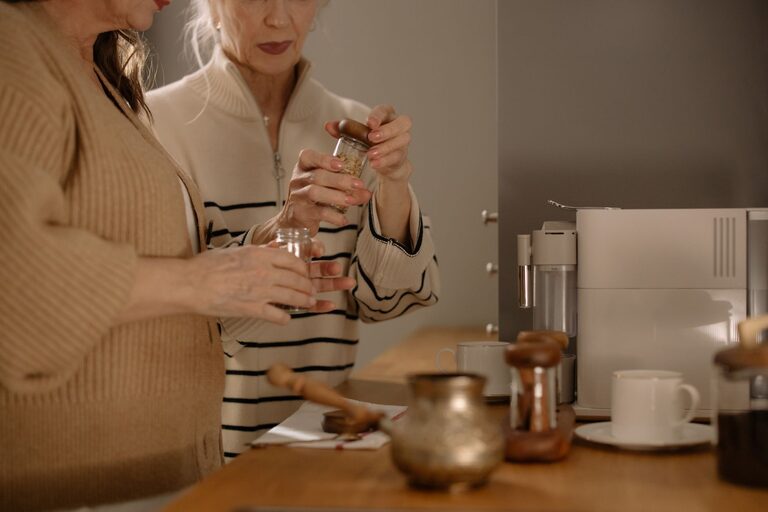
How Community Cooking Clubs Bring Women 65+ Together
Cooking has always been about more than food. It can preserve family traditions, celebrate important moments, and create opportunities for people to connect. For many women age 65 and older, community cooking clubs offer all three benefits in one welcoming setting.
These clubs bring people together to prepare recipes, learn new skills, share stories, and enjoy meals as a group. They may meet in a community center, church kitchen, library, retirement community, or a member’s home. Some clubs focus on everyday meals, while others explore baking, international cuisine, seasonal foods, or family recipes.
Whatever the format, the goal is often the same: create a friendly place where women can spend time together and feel part of a community.
A Simple Way to Build New Friendships
As life changes, regular social opportunities can become less common. Retirement, relocation, or changes in family routines may leave people with fewer chances to meet others. A cooking club provides a dependable reason to gather.
The shared activity makes conversation feel natural. Members can talk while chopping vegetables, mixing dough, setting the table, or waiting for a dish to cook. There is no pressure to plan an elaborate outing or find a special topic of conversation. The meal gives everyone something to do and discuss.
Over time, casual conversations can grow into lasting friendships. Members may begin meeting outside the club, checking in between sessions, or celebrating birthdays and other milestones together.
Sharing Recipes and Life Stories
Every cook brings personal experience to the kitchen. One member may know how to make a treasured family soup, while another has perfected a favorite pie or learned a useful kitchen shortcut over decades of cooking.
Community cooking clubs make space for these stories. Members can explain where a recipe came from, how it changed over time, or why it matters to their family. A dish may remind someone of a holiday, a childhood home, or a special person.
This exchange helps preserve food traditions that might otherwise be forgotten. Writing recipes down, photographing finished dishes, or creating a shared cookbook can make these traditions available to younger family members and future club participants.
Recipe Ideas for Group Sessions
Clubs can choose recipes that are practical, flexible, and enjoyable to prepare together, such as:
– Seasonal soups and stews
– Homemade breads and muffins
– Fresh salads with simple dressings
– Casseroles and one-pan meals
– Fruit pies and other desserts
– Family recipes contributed by members
– Dishes inspired by different cultures
Choosing recipes together can be part of the fun. Members might vote on ideas, select ingredients that are in season, or plan menus around a theme.
Learning Goes Both Ways
Cooking clubs are not only for experienced cooks. They can welcome people with a wide range of interests and skill levels. Some members may enjoy teaching, while others may prefer to observe, assist, or learn at their own pace.
A club session could include a demonstration on making fresh pasta, decorating cookies, organizing a pantry, or preparing a dish with affordable ingredients. Members might also share tips on freezing food, reducing waste, planning meals, or adapting a recipe.
The learning is often mutual. Someone who is comfortable with traditional cooking may learn how to use a new appliance from another member. A participant who enjoys trying new flavors may introduce the group to an unfamiliar ingredient. This exchange keeps meetings interesting and helps everyone feel that their knowledge has value.
Creating a Welcoming and Accessible Club
A successful cooking club does not need to be complicated. A few thoughtful choices can make meetings more comfortable and inclusive.
Choose a Convenient Location
The meeting space should have enough room for people to move around easily, sit when needed, and work in small groups. Good lighting, comfortable seating, and accessible restrooms can make a significant difference.
If the club meets in a private home, members can rotate locations or use a shared community space. Online planning groups can also help members stay connected between meetings.
Plan Roles in Advance
Cooking clubs work best when responsibilities are shared. Members can take turns handling tasks such as:
– Choosing the recipe
– Purchasing ingredients
– Setting up the kitchen
– Preparing food
– Organizing cleanup
– Recording the recipe
– Welcoming new participants
Sharing duties prevents one person from doing all the work. It also gives each member a meaningful role, whether or not they want to spend the entire meeting cooking.
Consider Different Needs
Members may have food allergies, dietary preferences, or varying comfort levels in the kitchen. Asking about these needs before choosing a recipe helps everyone participate.
The group can also offer alternatives, such as seated preparation areas, smaller tasks, printed instructions, and extra time for each step. A welcoming club focuses on participation rather than speed or perfection.
More Than a Meal
The meal at the end of a cooking session is often the highlight, but the benefits begin much earlier. Planning, preparing, and sharing food gives members a sense of purpose and anticipation.
Sitting down together creates an opportunity to slow down and enjoy conversation. Members can talk about books they are reading, places they have visited, gardening projects, family traditions, or future club activities. The meal becomes a shared achievement rather than simply something served on a plate.
Some clubs add extra activities to their gatherings. They may invite a local baker to demonstrate a technique, visit a farmers market, collect recipes for a community cookbook, or prepare food for a neighborhood event. These projects give the group a chance to contribute beyond its regular meetings.
How to Start a Community Cooking Club
Starting a club can be as simple as inviting a few interested people to a first gathering. Organizers do not need a large budget or a formal structure at the beginning.
Consider these steps:
- **Find a small group of interested members.** Ask friends, neighbors, community groups, libraries, or local organizations.
- **Choose a regular schedule.** A monthly meeting may be a comfortable starting point.
- **Decide on a location.** Look for a kitchen or meeting space that is convenient and easy to use.
- **Set a simple format.** For example, members can prepare one recipe, share a meal, and plan the next session.
- **Agree on costs.** Members can contribute ingredients, split expenses, or use a small shared fund.
- **Create a welcoming invitation.** Make it clear that all skill levels are welcome.
- **Gather feedback.** After the first few meetings, ask what members enjoyed and what they would change.
The first gathering does not need to be perfect. The most important ingredients are curiosity, kindness, and a willingness to participate.
A Recipe for Connection
Community cooking clubs show how an everyday activity can bring people closer. For women 65 and older, these groups offer opportunities to make friends, share knowledge, celebrate personal traditions, and enjoy new experiences.
The recipes may change from month to month, but the sense of belonging can continue to grow. Around a shared table, members find conversation, laughter, and a reason to look forward to the next gathering.

Related Posts

The Joy of Making Homemade Jam From Seasonal Fruit
Global Flavors: Cooking Classes for Women 65+