
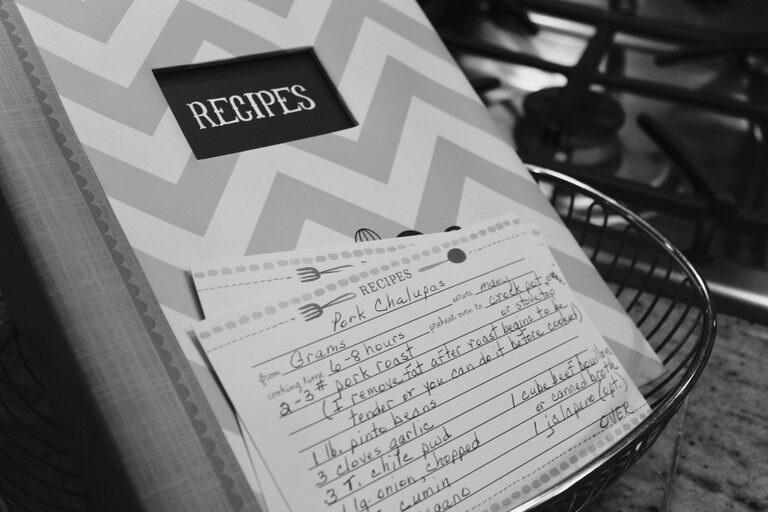
The Return of Handwritten Recipe Cards in Modern Kitchens
For many home cooks, recipes once lived in a small box, a kitchen drawer, or between the pages of a well-used cookbook. Written on index cards, notebook paper, or the back of an envelope, these recipes carried more than ingredient lists. They often included personal notes, cooking tips, and memories of the people who prepared them.
Today, handwritten recipe cards are returning to home kitchens. Even with recipe apps, food blogs, and digital bookmarks, many people are choosing to write down favorite dishes by hand. The trend is not about replacing technology. Instead, it is about adding something personal and lasting to the way we cook.
Why Handwritten Recipes Are Appealing Again
Modern cooking is often connected to a screen. A phone may display the next step, a tablet may hold a saved recipe, or a voice assistant may read instructions aloud. These tools are useful, but they can also make cooking feel temporary and distracted.
A handwritten recipe card creates a different experience. It gives the cook something physical to hold, mark, and keep. The card may become stained with flour or spotted with sauce, but those marks can become part of its history.
Handwritten recipes are also easy to personalize. A cook can add notes such as:
– “Use less salt next time”
– “Best served warm”
– “Grandma added cinnamon”
– “Double the recipe for holidays”
– “Bake until the edges are golden”
These small comments can be as valuable as the original instructions.
Recipe Cards as Family Keepsakes
One of the strongest reasons for the return of handwritten recipe cards is their connection to family history. A recipe written by a parent, grandparent, friend, or neighbor can preserve a familiar handwriting style along with a favorite dish.
A card may remind someone of a birthday breakfast, a weekend gathering, or a traditional holiday meal. Even when the recipe itself is simple, the handwriting can make it meaningful.
Families can use recipe cards to collect stories as well as instructions. Along with the ingredients and method, a card might include:
– Where the recipe came from
– When the dish was usually served
– A memory connected to the meal
– Helpful substitutions
– The names of people who enjoyed it
Over time, a collection of cards can become a small record of a family’s food traditions.
A Simple Way to Slow Down
Writing a recipe by hand takes more time than copying a web link. That slower pace can be part of the appeal. It encourages people to consider what they are cooking and why the recipe matters to them.
The process can also make cooking feel more intentional. Instead of quickly saving dozens of recipes online, a person may choose a few favorites to write down carefully. The result is a smaller collection that is easier to use and more meaningful to keep.
For some home cooks, writing cards can become a relaxing activity. Choosing paper, using a favorite pen, and organizing recipes can bring a creative touch to the kitchen.
Combining Old and New Methods
Handwritten recipe cards do not have to compete with digital tools. Many cooks use both. A recipe may be found online, tested several times, and then written onto a card once it becomes a household favorite.
This approach offers the convenience of technology and the personal value of handwriting. Digital recipes are helpful when searching for ideas, comparing methods, or adjusting serving sizes. A handwritten card is useful when a recipe has earned a permanent place in the kitchen.
Some cooks also scan or photograph their cards. This creates a digital backup while allowing the original to remain in the recipe box. If a card becomes damaged, the information is still available.
How to Start a Recipe Card Collection
Beginning a collection does not require special supplies. A small box, binder, or set of index cards is enough. Choose a system that fits the way you cook.
Consider organizing cards by categories such as:
– Breakfast
– Soups and salads
– Main dishes
– Baking
– Desserts
– Drinks
– Holiday recipes
It can also be helpful to leave space on each card for changes. Recipes often improve through practice, and notes about cooking time, pan size, or ingredient substitutions can make future attempts easier.
When writing a card, include more than a title. A useful recipe card should contain:
- The full ingredient list
- Clear preparation steps
- Cooking temperature and time
- Number of servings
- Optional substitutions
- The source or name of the person who shared it
If the handwriting is difficult to read, write clearly and use enough space between lines. A beautiful card is still most useful when another person can follow it easily.
Making Recipe Cards More Personal
There are many ways to give recipe cards a distinct style. Some people use colored pens, while others add small drawings, stickers, or simple borders. A family might create matching cards for a shared collection, or each person might use a different color.
Photos can add another personal touch. A picture of the finished dish, the person who created the recipe, or a family gathering can be attached to the card or stored nearby.
Another idea is to create cards for specific occasions. A collection might include a set of birthday recipes, first-apartment meals, picnic favorites, or dishes made during family reunions. These themes can turn a group of recipes into a collection of memories.
Passing Recipes to the Next Generation
Recipe cards are especially valuable when shared. Parents can invite children to copy a favorite recipe, decorate a card, or help prepare the dish. Older family members can explain how a recipe was made before modern appliances and packaged ingredients were common.
This sharing helps younger cooks learn practical kitchen skills while also hearing the stories behind familiar meals. A recipe card can become a starting point for conversations about family, celebrations, and changing tastes.
Some families create recipe boxes as gifts for graduations, weddings, housewarmings, or new cooks. Each relative or friend can contribute one card, creating a collection that reflects many relationships and cooking styles.
A Small Tradition With Lasting Value
The return of handwritten recipe cards shows that convenience is not the only thing people value in the kitchen. Digital tools make recipes easy to find, but handwritten cards make them easy to remember.
A card may be simple, imperfect, and marked by years of use. That is often what makes it special. It carries the cook’s handwriting, the family’s adjustments, and the evidence of meals shared over time.
In today’s home kitchens, handwritten recipe cards offer a practical way to preserve favorite dishes while creating a stronger connection to the people and moments behind them. Whether kept in a vintage box or alongside a digital recipe library, they remain a small tradition with lasting value.

Related Posts
The Joy of Making Homemade Jam From Seasonal Fruit
Global Flavors: Cooking Classes for Women 65+