Culinary Craft Fairs: A Guide for Home Cooks
What Is a Culinary Craft Fair?
A culinary craft fair is a community event where people share homemade foods, kitchen creations, and food-related crafts. It may include tables filled with baked goods, jams, spice blends, handmade pasta, decorated cookies, pickles, sauces, and other carefully prepared items.
Unlike a traditional farmers market, a culinary craft fair often focuses on personal creativity and presentation. Each table tells a story about the cook, the recipe, or the tradition behind the food. Visitors can sample new flavors, talk with makers, and take home something special.
These events can be hosted by community groups, schools, neighborhood associations, local businesses, or independent organizers. Some are small and informal, while others include demonstrations, contests, workshops, and live entertainment.
Why Home Cooks Enjoy Sharing Their Creations
For many home cooks, a culinary craft fair is a chance to move beyond the family kitchen. It offers a friendly setting to share recipes, practice presentation skills, and connect with people who enjoy food.
Home cooks may participate for several reasons:
– To introduce a family recipe to a wider audience
– To test interest in a new product idea
– To meet other cooks and food enthusiasts
– To support a community project or local cause
– To build confidence in preparing and presenting food
– To exchange cooking tips and inspiration
The best fairs are welcoming to both experienced sellers and first-time participants. A carefully decorated tray of cookies can be just as interesting as a table filled with advanced pastry work.
Choosing What to Bring
The most successful creations are usually foods that can be prepared ahead of time, transported easily, and served in small portions. Consider choosing one or two signature items instead of bringing too many different products.
Popular options include:
Baked Goods
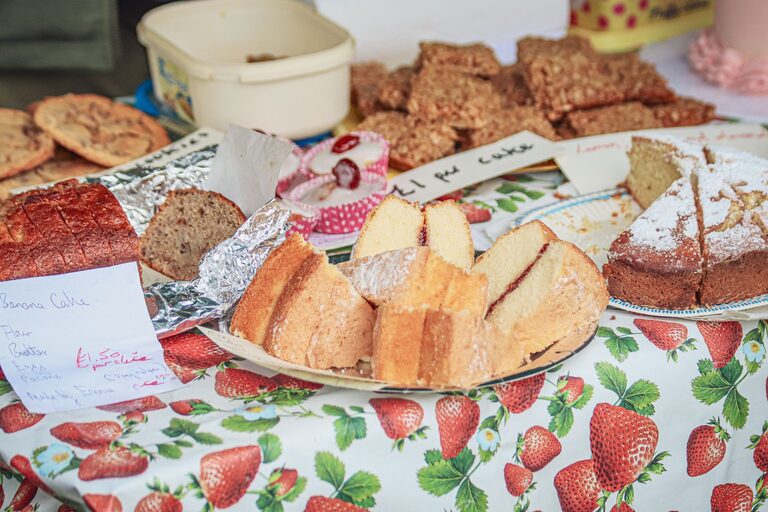
Cookies, brownies, quick breads, muffins, and small cakes are easy to display and package. Home cooks can create a theme with seasonal flavors, colorful decorations, or recipes inspired by family traditions.
Preserves and Pantry Items
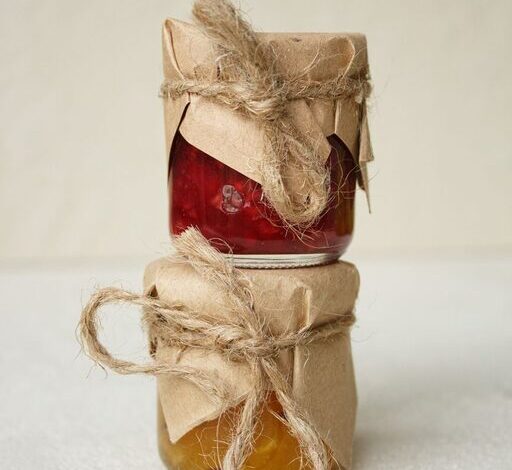
Jams, jellies, fruit butters, spice blends, dry soup mixes, granola, and flavored salts make attractive fair offerings. Clear jars and simple labels can help visitors see the ingredients and colors.
Savory Snacks
Crackers, snack mixes, roasted nuts, savory biscuits, and seasoned popcorn can add variety to a table. These foods are often easy for visitors to sample and take home.
Handmade Food Crafts
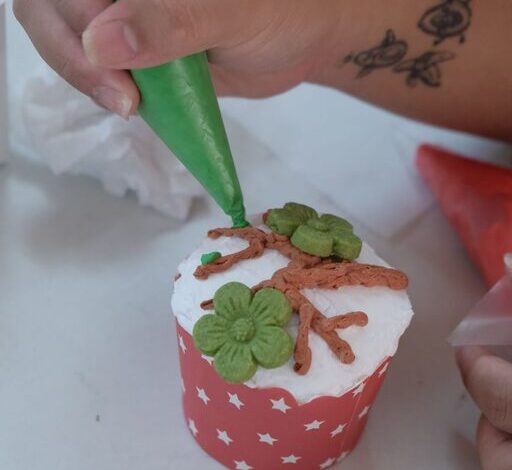
Some participants enjoy making decorative pasta, shaped bread, edible gift baskets, or cookie decorating kits. These products combine cooking with design and can appeal to shoppers looking for gifts.
Before deciding on a recipe, check the event’s participation guidelines. Organizers may limit certain foods, require specific packaging, or ask vendors to avoid items that need refrigeration.
Planning Your Table
A well-organized table helps visitors understand what you offer. You do not need expensive equipment or elaborate decorations. A clean tablecloth, a few attractive containers, and clear signs can create a polished look.
Start with the layout. Place taller items toward the back and smaller packages near the front. Keep prices, product names, and important information easy to see. Leave enough room for visitors to browse without knocking items over.
Useful table supplies may include:
– Tablecloth or fitted cover
– Serving trays or baskets
– Food-safe packaging
– Labels and price signs
– Tongs or serving utensils
– Hand sanitizer and cleaning supplies
– Small bags or boxes for purchases
– Notepad and pen for tracking sales or requests
– A simple display stand for featured items
A small menu card can also help. It might list the day’s offerings, flavors, package sizes, and suggested serving ideas.
Creating Clear Food Labels
Labels give visitors helpful information and make your table look professional. Each package should have the name of the food and a list of ingredients.
It is also useful to identify common ingredients that some guests may want to avoid, such as nuts, dairy, eggs, wheat, or soy. If your food was prepared in a home kitchen, follow the event organizer’s instructions for describing the preparation area.
A basic label may include:
– Product name
– Main ingredients
– Flavor or variety
– Preparation or package date
– Storage instructions
– Name of the maker
– Contact information, if appropriate
Keep the wording simple and readable. Handwritten labels can be charming, but printed labels are often easier to read from a distance.
Preparing Food for a Community Event
Good preparation begins several days before the fair. Make a shopping list, gather packaging, and plan a schedule that leaves enough time for cooling, decorating, and labeling.
When preparing food for others, cleanliness and careful handling are essential. Wash hands often, keep work surfaces clean, and use clean tools and containers. Store foods according to the needs of the recipe, and keep items that require temperature control in suitable containers during transport.
Try a small test batch before the event. This allows you to check the flavor, appearance, package size, and serving number. A test batch can also reveal whether an item becomes soft, crumbly, or difficult to transport.
Choose packaging that protects the food while still showing it clearly. Paper bags, boxes, jars, and sealed pouches can all work well, depending on the product.
Making the Fair More Interactive
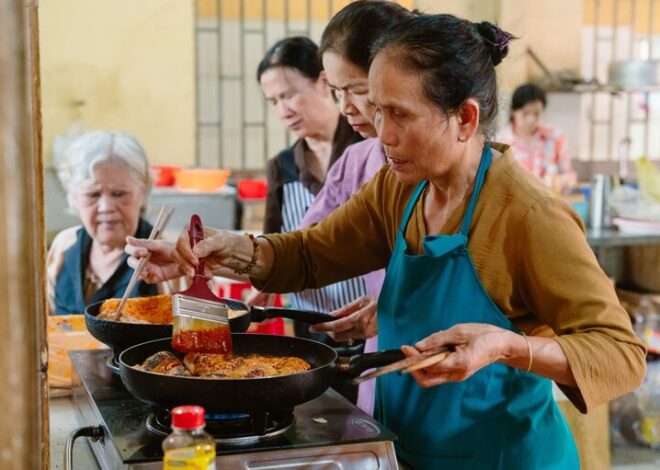
A culinary craft fair becomes more memorable when visitors can do more than shop. Organizers can invite home cooks to share short demonstrations, recipe cards, or stories about their dishes.
Interactive ideas include:
– A cookie decorating station
– A display of traditional kitchen tools
– A recipe swap table
– A tasting table with clearly labeled samples
– A “build your own spice blend” activity
– A short bread shaping demonstration
– A children’s table for simple food crafts
– A community cookbook project
Demonstrations should be planned with the venue’s space, equipment, and safety requirements in mind. A simple activity, such as shaping dough or blending dry seasonings, may be easier to manage than a full cooking demonstration.
Supporting First Time Participants
A welcoming event should make participation feel achievable. New vendors may appreciate a preparation checklist, sample table layout, and clear instructions about arrival times and setup.
Organizers can also pair first-time home cooks with experienced participants. This gives newcomers a chance to ask questions about packaging, pricing, display design, and visitor interactions.
A short orientation before the fair can cover:
– Where each table is located
– How to handle samples
– What supplies are provided
– How to report questions or concerns
– When cleanup begins
– How unsold items should be handled
Encouragement matters, too. A home cook may be proud of a recipe even if it is not the most eye-catching item on the table. A friendly conversation can turn a simple purchase into a lasting connection.
Making the Day Enjoyable
A successful culinary craft fair is not only about selling food. It is about creativity, conversation, and community. Home cooks can use the event to learn what visitors enjoy, gather ideas for future recipes, and celebrate the pleasure of making something by hand.
Bring enough supplies for the day, but avoid overcomplicating the display. Take notes about popular flavors, common questions, and items that were difficult to transport. After the fair, these observations can help improve the next event.
Whether the fair takes place in a school hall, community center, outdoor pavilion, or neighborhood shop, the same simple ingredients create a warm experience: thoughtful food, clear presentation, and people eager to share what they make.