
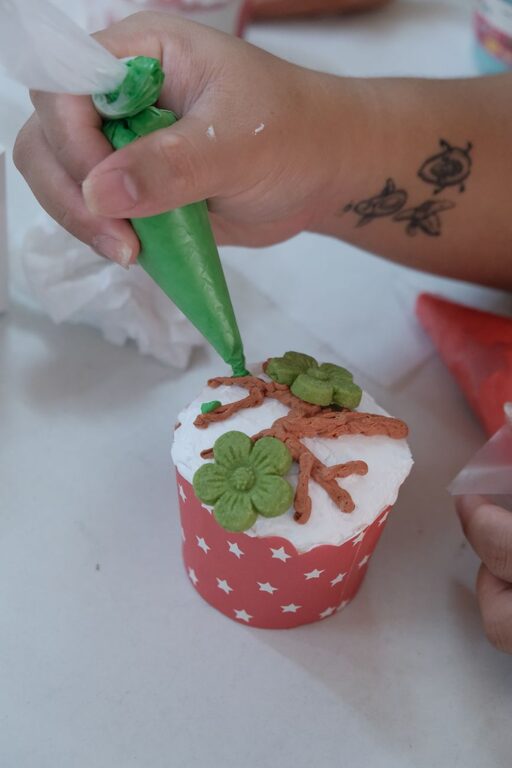
How Dessert Decorating Groups Inspire Creative Home Bakers
Dessert decorating groups are giving home bakers fresh inspiration, practical guidance, and a welcoming place to share their work. Whether they connect through local clubs, online communities, workshops, or social media, these groups make decorating feel more approachable and enjoyable.
A beautifully decorated cake or cookie can look difficult to make, especially when viewed as a finished project. Decorating groups help break the process into manageable steps. Members can learn from one another, experiment with new techniques, and celebrate progress at every level.
A Creative Space for Home Bakers
Many home bakers begin with a simple interest in decorating. They may want to make a birthday cake, create seasonal cookies, or improve the appearance of everyday desserts. A decorating group can turn that interest into a regular creative activity.
Unlike a formal class, a group often includes people with different backgrounds and skill levels. Beginners can ask questions without feeling embarrassed, while experienced decorators can share ideas and discover new approaches.
These groups may focus on many types of desserts, including:
– Layer cakes and cupcakes
– Sugar cookies and shortbread
– Pies and tarts
– Brownies and dessert bars
– Chocolate decorations
– Homemade candies
– Holiday and celebration desserts
This variety keeps the experience interesting. A baker who usually works with buttercream may become curious about royal icing, fondant, edible flowers, or hand-painted details.
Learning Through Shared Ideas
One of the biggest benefits of a dessert decorating group is the chance to learn from other people. Members often share photos, step-by-step instructions, tool recommendations, and lessons from projects that did not go as planned.
A short demonstration can make a technique much easier to understand. For example, a group member might show how to:
- Prepare a smooth surface on a cake
- Fill and use a piping bag
- Create simple borders and rosettes
- Transfer a design onto a cookie
- Add color without overpowering the dessert
- Build decorations that are easy to handle
Seeing a technique in action can give home bakers the confidence to try it themselves. Even when results are not perfect, the process provides useful experience.
Inspiration Without Pressure
Decorating groups can inspire creativity without making baking feel like a competition. Members often post a range of projects, from simple cupcakes to detailed celebration cakes. This helps show that attractive desserts do not need to be complicated.
A baker may be inspired by a color combination, a seasonal theme, or a clever way to arrange decorations. One person’s design can lead to another person’s interpretation. Over time, these small ideas can help each baker develop a personal style.
Many groups encourage members to adapt projects to their own abilities and available supplies. A design made with specialized tools might be recreated with a spoon, toothpick, zip-top bag, or basic piping tip. This makes creative baking more accessible at home.
Building Confidence One Project at a Time
Decorating requires practice. Piping lines may look uneven at first, icing may spread, and colors may not turn out as expected. Supportive groups remind members that these challenges are a normal part of learning.
Friendly feedback can help a baker notice what worked and what could be adjusted. Helpful comments might include suggestions about:
– Keeping icing at the right consistency
– Allowing layers or decorations to cool
– Choosing a simpler design for a first attempt
– Using a template for consistent shapes
– Practicing piping on parchment before decorating
– Leaving enough time for each stage
This type of guidance is more useful than simply saying a dessert looks good. At the same time, encouragement matters. Recognizing improvement helps home bakers stay motivated and continue practicing.
Celebrating Personal Milestones
Dessert decorating groups often celebrate milestones that may seem small but are meaningful to the person baking. These could include making a first decorated cake, trying a new piping tip, creating a consistent cookie design, or completing a large order for a family event.
Sharing these achievements creates a sense of progress. It also shows newer members that skilled decorators developed their abilities over time.
Group challenges can offer another source of motivation. A monthly theme, seasonal prompt, or limited color palette encourages members to create something new. The goal is usually participation rather than perfection, which makes these activities enjoyable for a wide range of bakers.
Discovering New Tools and Techniques
Home bakers often learn about useful tools through decorating groups. Members may explain how a turntable, bench scraper, cookie cutter, stencil, or silicone mold works. They can also suggest simple alternatives for people who are not ready to purchase specialized equipment.
These conversations help bakers make informed choices and avoid collecting tools they may rarely use. A group may also share tips for organizing supplies, storing decorations, and cleaning equipment efficiently.
Beyond tools, members introduce techniques such as:
Texture and Pattern Work
A textured scraper, fork, comb, or simple piping pattern can add visual interest to a cake without requiring advanced skills.
Color Experimentation
Bakers can learn how different shades work together and how to create a coordinated palette for a party or holiday.
Simple Handcrafted Details
Small decorations made from chocolate, fondant, icing, or edible paper can give desserts a personal touch.
Seasonal Styling
Themes inspired by spring, summer gatherings, autumn, winter holidays, or special events provide easy starting points for new projects.
Creating Community Around Baking
Dessert decorating groups are about more than appearance. They create connections around a shared interest. Members may exchange recipes, discuss family traditions, or organize casual decorating sessions.
Local groups sometimes host bake swaps, community demonstrations, or themed gatherings. Online groups can connect people who live far apart and give them a place to share projects at any time.
This sense of community can make baking feel less solitary. A home baker can receive ideas, ask for help, and offer encouragement without needing to leave the kitchen.
Making Creativity Part of Everyday Life
Decorating groups also encourage bakers to look for creative opportunities in ordinary moments. A simple batch of cookies can become a chance to test a new color. A small cake can be used to practice smooth icing. Leftover frosting can become a trial run for flowers, leaves, or borders.
Keeping projects manageable helps prevent decorating from becoming overwhelming. Home bakers can begin with one new technique at a time and build on what they learn.
A useful approach is to choose:
– One design idea
– Two or three colors
– A small set of tools
– A realistic time limit
– One skill to practice
This structure leaves room for creativity while keeping the project organized.
Finding the Right Decorating Group
Not every group has the same focus or atmosphere. Before joining, home bakers may want to consider whether the group is centered on beginners, advanced techniques, specific desserts, local events, or general inspiration.
A welcoming group usually has clear guidelines, respectful discussions, and a focus on sharing knowledge. Members should feel comfortable posting questions and showing unfinished or imperfect work.
For those who cannot find a local club, online communities, virtual workshops, and decorating challenges can provide similar benefits. Even a small group of friends or family members can create a helpful space for sharing ideas.
The Lasting Effect of Shared Creativity
Dessert decorating groups inspire home bakers by turning individual practice into a shared experience. They make it easier to learn, experiment, and stay motivated. Just as importantly, they show that creativity is not limited to professional kitchens or elaborate equipment.
With encouragement and regular practice, a simple dessert can become a personal project, a thoughtful gift, or a centerpiece for a celebration. By learning from one another, home bakers continue to develop new skills while making decorating more fun, flexible, and rewarding.

Related Posts
Culinary Craft Fairs: A Guide for Home Cooks