Why Pickling Workshops Are Becoming Popular Weekend Hobbies
A Hands-On Hobby for the Weekend
Pickling workshops are becoming a popular way to spend a Saturday or Sunday. These classes offer more than a cooking lesson. They combine creativity, practical skills, and social connection in a relaxed setting.
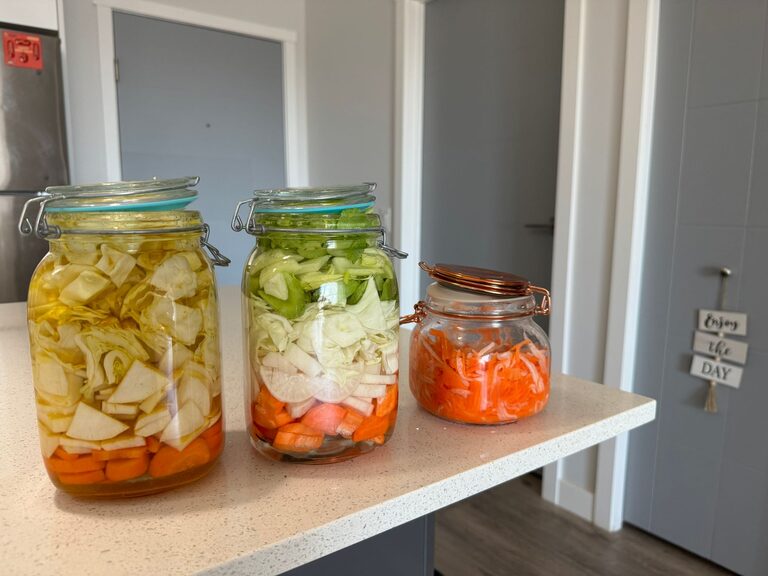
Participants may learn how to pickle cucumbers, onions, carrots, green beans, cabbage, or seasonal fruit. Along the way, they discover how vinegar, salt, sugar, herbs, and spices can change the flavor and texture of fresh ingredients.
Unlike hobbies that require weeks of practice before producing something useful, pickling gives people a finished product to take home the same day. That immediate result is one reason these workshops appeal to busy adults, families, and curious beginners.
Why Pickling Workshops Are Gaining Interest
Several trends have helped make pickling more attractive as a weekend activity.
They Offer a Creative Experience
Pickling is both a recipe-based activity and an opportunity for personal expression. Participants can choose flavor combinations, colors, spice levels, and presentation styles.
A basic jar of cucumbers can become completely different with the addition of:
- Fresh dill, garlic, or mustard seeds
- Chili peppers for extra heat
- Ginger, citrus peel, or warm spices
- Thinly sliced onions or colorful vegetables
- Sweet, tangy, or herb-forward brines
Workshops often encourage guests to experiment while still providing clear instructions. This balance helps beginners feel confident without making the activity feel too rigid.
They Create a Social Setting
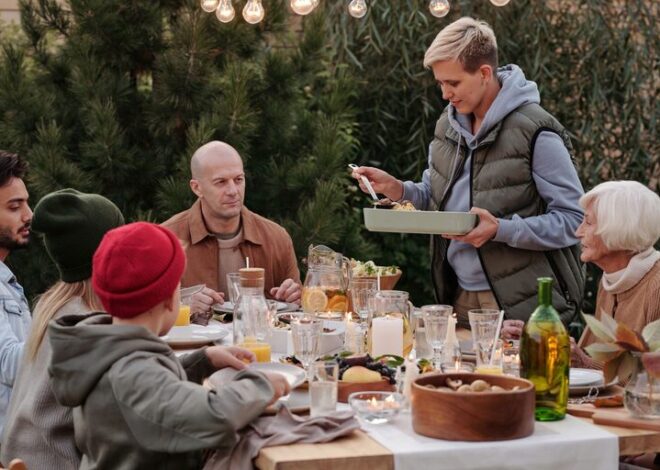
Many people are looking for hobbies that allow them to spend time with others without relying on screens. A pickling class provides a natural setting for conversation and shared activity.
Friends can attend together, but workshops also work well for people who arrive alone. Chopping, measuring, filling jars, and comparing flavor ideas give participants easy ways to connect.
Some classes are organized around specific themes, such as seasonal vegetables, fermented foods, international flavors, or farmers market ingredients. These themes can make each workshop feel fresh and give regular attendees a reason to return.
They Produce Something Practical
A finished jar of pickled vegetables is useful, attractive, and easy to share. Participants can serve their creations with sandwiches, salads, grilled foods, grain bowls, or snack plates.
This practical result sets pickling apart from hobbies that create items mainly for display. While a jar of pickles can look beautiful, it also becomes part of a meal.
The finished product can also make a thoughtful homemade gift. A decorated jar with a simple label can be shared with a neighbor, friend, or host.
What Happens at a Pickling Workshop?
Each class is different, but most follow a simple and approachable structure.
Introduction to Ingredients and Tools
The instructor usually begins by explaining the ingredients and equipment. Participants may learn about different types of vinegar, the role of salt and sugar, and the best vegetables for quick pickling.
Common tools include:
- Clean glass jars with lids
- Measuring cups and spoons
- Cutting boards and kitchen knives
- Large bowls or pots
- Funnels, tongs, or jar-filling tools
Most workshops provide the equipment, so attendees do not need to purchase a full collection of supplies before trying the hobby.
Preparing the Produce
Next, participants wash, trim, and cut the ingredients. The shape and size of the vegetables affect the final texture. Thin slices absorb flavor quickly, while larger pieces tend to remain firmer.
This stage is often more enjoyable than expected because it gives participants time to compare techniques and discuss favorite foods.
Mixing the Brine
The brine is the liquid that gives pickled foods their signature flavor. A simple quick-pickle brine often includes vinegar, water, salt, and optional sugar. Herbs and spices can be added directly to the jar or warmed with the liquid.
Instructors typically provide tested recipes and explain how small changes can affect the balance between tangy, salty, sweet, and spicy flavors.
Filling and Labeling the Jars
Once the produce and brine are ready, participants pack the jars and add the liquid. Labels may include the ingredients, date, flavor name, or suggested serving ideas.
This final step adds a craft element to the workshop. Some venues provide ribbons, stickers, or reusable tags so guests can personalize their jars.
A Welcoming Hobby for Beginners
Pickling may seem complicated when viewed through traditional preserving methods, but many workshops focus on quick pickling. This approach uses a vinegar-based brine and allows the vegetables to develop flavor in a relatively short time.
Beginners appreciate that they can learn the basic process without committing to large batches or specialized equipment. An instructor can also answer questions that might be difficult to resolve by reading a recipe alone.
For example, participants can see how tightly to pack a jar, how finely to slice an onion, or how much space to leave at the top. These small demonstrations make the process easier to understand.
Seasonal Ingredients Add to the Appeal
Pickling workshops often follow the calendar. Spring classes might feature radishes, asparagus, or young carrots. Summer sessions may focus on cucumbers, green beans, peppers, and fresh herbs. In fall, participants might work with cabbage, apples, onions, or winter vegetables.
Using seasonal ingredients gives the class a stronger connection to local food. It also encourages participants to notice what is available at nearby markets and farm stands.
Seasonal workshops can become a regular weekend tradition. People may return throughout the year to learn new recipes and build a collection of flavor combinations.
How Workshops Support Local Communities
Many pickling classes are hosted by cooking schools, community centers, farms, specialty food shops, and independent instructors. Attending one can support a local business while introducing participants to regional ingredients and producers.
Some workshops partner with farmers markets or community gardens. These connections help attendees understand where their food comes from and how to make better use of a plentiful harvest.
The classes may also attract a broad range of participants, from experienced home cooks to people who have never prepared preserved foods before. This mix creates a friendly learning environment where everyone can share ideas.
Tips for Choosing a Pickling Workshop
When looking for a class, consider the following:
- Check whether the workshop is designed for beginners.
- Look for a clear description of the recipes and techniques covered.
- Confirm whether ingredients, jars, and equipment are included.
- Choose a class length that fits your schedule.
- Read reviews about the instructor and overall experience.
- Ask whether participants take finished jars home.
- Review storage instructions provided during the class.
A well-organized workshop should explain the process clearly, use clean equipment, and provide reliable recipes. It should also give participants enough time to ask questions and work at a comfortable pace.
A Hobby That Can Grow Over Time
One of the best features of pickling is that it can remain simple or become more advanced. Beginners may start with quick-pickled onions and cucumbers. With experience, they may explore new vegetables, spice blends, fermented recipes, or gift-sized batches.
The hobby can also lead to related interests, such as gardening, farmers market shopping, recipe writing, food photography, or creative kitchen projects.
For many people, pickling workshops provide an enjoyable combination of learning and leisure. They offer a chance to slow down, work with fresh ingredients, meet new people, and leave with something flavorful.
As weekend hobbies continue to move toward hands-on experiences, pickling is likely to remain a popular choice. It is practical, adaptable, and easy to share, making it a natural fit for anyone looking for a creative activity with a delicious result.

Related Posts
The Joy of Making Homemade Jam From Seasonal Fruit
Global Flavors: Cooking Classes for Women 65+