
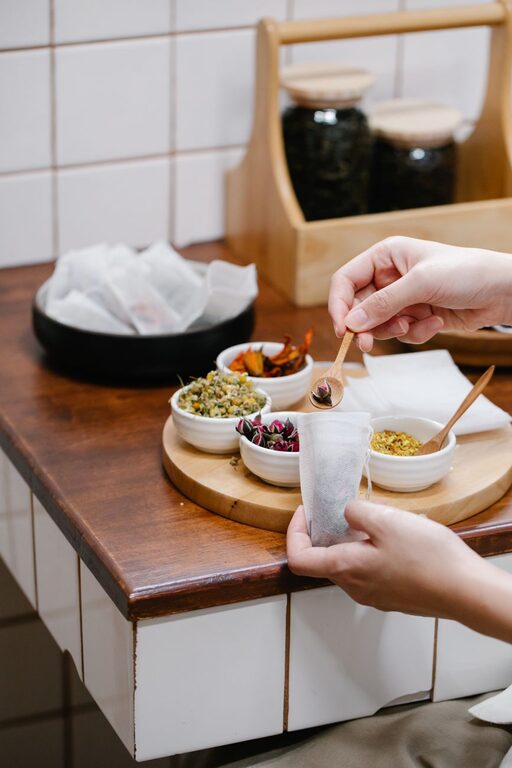
How Tea Blending Became a Relaxing Kitchen Hobby
A Simple Hobby with Plenty of Room to Explore
Tea blending has become a popular kitchen hobby because it combines creativity, routine, and sensory discovery. With a few basic ingredients, you can create a custom drink that suits your taste, season, or mood. The process does not require expensive equipment or advanced cooking skills, making it easy for beginners to try.
At its heart, tea blending is the practice of combining tea leaves, dried herbs, flowers, spices, fruit, or other food-safe ingredients. Some blends are based on black, green, white, or oolong tea. Others use caffeine-free herbal ingredients, often called tisanes. Each combination offers a different color, aroma, texture, and flavor.
The appeal is not only the finished cup. Measuring ingredients, smelling the blend, labeling a jar, and waiting for the water to heat can turn an ordinary break into a small, calming ritual.
Why Tea Blending Feels So Relaxing
Many kitchen hobbies encourage people to slow down and focus on one task. Tea blending does this in a particularly gentle way. The ingredients are easy to handle, the steps are simple, and there is no need to rush.
The hobby can be relaxing for several reasons:
- It engages the senses: You can notice the scent of dried leaves, the look of colorful ingredients, and the taste of the final drink.
- It encourages creativity: There are countless ways to combine flavors and adjust proportions.
- It creates a small routine: Blending tea can become a quiet weekend activity or part of an evening wind-down.
- It offers a clear result: After experimenting, you can enjoy a cup made entirely to your preferences.
- It is easy to share: Homemade blends can be packaged in small jars or bags as thoughtful gifts.
Unlike some cooking projects, tea blending usually creates little mess. A spoon, a bowl, a scale, and airtight containers are often enough to get started.
Choosing Ingredients for a Homemade Blend
The best blends usually begin with a clear idea of the flavor you want. You might prefer something bright and citrusy, warm and spiced, floral and delicate, or rich and earthy.
Tea bases
A tea base gives the blend its main character. Black tea tends to have a bold, full flavor. Green tea is often lighter and more vegetal, while white tea can be delicate and subtle. Oolong tea offers a broad range of flavors, depending on how it is produced.
If you want a caffeine-free blend, choose a base made entirely from dried herbs, flowers, spices, or fruit. Remember that ingredients vary, so check product labels when caffeine content matters to you.
Flavor additions
Common additions include dried peppermint, chamomile, hibiscus, rose petals, lavender, ginger, cinnamon, cardamom, dried apple, orange peel, and lemon peel. These ingredients can add sweetness, tartness, spice, color, or fragrance.
When selecting ingredients, buy products intended for food or beverage use. Avoid using flowers, leaves, or plants from a garden unless you are certain they are correctly identified and safe for consumption.
How to Build a Balanced Blend
A useful approach is to think of each ingredient as having a role. Start with a main flavor, add a supporting flavor, and finish with a small accent.
For example:
- Main note: Black tea, green tea, rooibos, or a mild herbal base.
- Supporting note: Dried apple, peppermint, rose, ginger, or citrus peel.
- Accent: Cinnamon, cardamom, lavender, fennel, or a small amount of hibiscus.
Begin with small amounts. A simple starting ratio might be three parts base, one part supporting ingredient, and one-half part accent. These measurements do not need to be exact at first. The goal is to create a starting point that you can adjust.
Strong ingredients can quickly dominate a blend. Spices, lavender, peppermint, and certain citrus peels may need to be used sparingly. If a first attempt tastes too intense, add more of the base ingredient rather than throwing the blend away.
A Beginner-Friendly Blending Method
1. Choose a flavor direction
Decide whether you want a fresh, fruity, floral, spicy, or earthy profile. A clear direction makes it easier to choose ingredients that work together.
2. Gather and inspect your ingredients
Check that everything is dry, clean, and free from moisture or unusual odors. Remove large stems or pieces that do not belong in the blend.
3. Measure a small batch
Use teaspoons for casual experiments or a kitchen scale for more consistent results. A small batch helps you avoid wasting ingredients while you learn what you like.
4. Mix gently
Place the ingredients in a clean bowl and stir with a dry spoon. Try not to crush delicate leaves or flowers, since this can affect their appearance and make the blend harder to separate.
5. Brew a sample cup
Use the water temperature and steeping time recommended for the main tea base. If the blend contains different types of ingredients, start with a moderate steeping time and adjust it later.
6. Take notes
Write down the ingredients, amounts, brewing time, and your impressions. Notes make it easier to repeat a successful blend or understand why a batch did not work.
Simple Blend Ideas to Try
These combinations can serve as starting points:
- Citrus and spice: Black tea, dried orange peel, and a small amount of cinnamon.
- Fresh and minty: Green tea, dried peppermint, and a little dried lemon peel.
- Floral and light: White tea, rose petals, and a small amount of lavender.
- Fruity and colorful: Rooibos, dried apple, and hibiscus.
- Warm and aromatic: Black tea, ginger, cardamom, and a small piece of cinnamon.
These suggestions are starting points rather than fixed recipes. You can change the proportions, replace ingredients, or create a blend based on what you already have in the kitchen.
Storing and Organizing Your Blends
Moisture, heat, light, and strong odors can affect dried ingredients. Store finished blends in clean, airtight containers, such as glass jars with secure lids. Keep them in a cool, dry cupboard away from the stove and sink.
Labels are useful for both organization and creativity. Include the blend name, ingredients, and the date it was made. You can also record suggested brewing instructions or a short description, such as “bright and citrusy” or “soft and floral.”
Use dry utensils when handling the blend, and avoid returning brewed or damp ingredients to the container. If an ingredient develops an unusual smell, changes appearance, or shows signs of moisture, discard it.
Making the Hobby Part of Your Routine
Tea blending does not have to become a large project. Set aside 15 or 20 minutes to test one combination, organize your ingredients, or prepare a small jar for later. You can also create seasonal blends using flavors that match the time of year.
Invite friends or family members to make sample blends and compare notes. A small tasting session can turn the hobby into a social activity without requiring a complicated meal or special equipment.
The most enjoyable approach is to treat each batch as an experiment. Some blends will be excellent, while others may need a little adjustment. Over time, you will develop a better sense of which flavors balance one another and which ingredients deserve a lighter touch.
Tea blending offers a creative pause in a busy day. With simple tools, thoughtful ingredients, and a willingness to experiment, the kitchen can become a welcoming place to make something personal, flavorful, and relaxing.
