
Easy Herb Gardening Trends for Women 65+ Who Love Fresh Cooking
Growing fresh herbs can make everyday cooking more enjoyable, and it does not require a large garden or complicated equipment. A sunny windowsill, patio, balcony, or doorstep can provide enough space for a useful collection of herbs.
Today’s herb gardening trends focus on convenience, attractive containers, low-maintenance routines, and flexible growing spaces. These ideas are especially helpful for women 65 and older who want fresh ingredients close at hand without spending hours on garden care.
1. Start With a Small Herb Collection
A few dependable herbs are often more useful than a large, demanding garden. Begin with three or four herbs that match the meals you enjoy preparing.
Good choices include:
– Basil: Excellent in pasta, salads, sandwiches, and sauces
– Parsley: Adds color and flavor to soups, potatoes, eggs, and vegetables
– Chives: Easy to snip for baked potatoes, salads, and dips
– Mint: Useful in drinks, fruit dishes, salads, and desserts
– Rosemary: Works well with roasted vegetables, chicken, and bread
– Thyme: A flavorful choice for soups, beans, vegetables, and savory dishes
Choose herbs you will use often. Fresh cooking becomes easier when the ingredients are growing nearby and ready to snip.
2. Try the Windowsill Herb Garden Trend
Windowsill gardening remains popular because it brings herbs into the kitchen. You can see the plants every day and quickly pick what you need while cooking.
Choose a bright window, preferably one that receives several hours of sunlight. Place small pots on a tray to protect the sill from water. If the window is narrow, use a slim planter box or a tiered stand.
A windowsill garden can include:
– Chives in a small pot
– Parsley in a medium container
– Basil in a bright, warm location
– Mint in its own pot to prevent it from spreading
Turn the pots occasionally so the plants grow evenly. If natural light is limited, a simple indoor grow light can help. Select a model designed for houseplants and follow the manufacturer’s instructions.
3. Use Attractive Containers as Garden Decor
Herb gardening is becoming part of home decorating. Instead of hiding plants in plain plastic pots, many gardeners use containers that complement the kitchen, porch, or patio.
Consider:
– Ceramic pots in coordinating colors
– Wooden boxes for a cottage-style look
– Metal containers for a modern appearance
– Recycled jars placed inside protective holders
– Hanging baskets for porches and balconies
Every container needs drainage holes. Without them, extra water can collect around the roots and cause problems. Place a saucer beneath each pot to catch drips and protect furniture.
Choose containers that are easy to lift and move. Lightweight resin, fabric, or composite pots can be more convenient than heavy stone or clay containers.
4. Create a Raised or Elevated Herb Garden
An elevated garden can make planting and harvesting more comfortable. Raised planters, tall containers, and sturdy plant stands reduce the need to bend or kneel.
Look for a planter with:
– A comfortable working height
– Stable legs or a wide base
– Enough depth for herb roots
– Drainage holes
– A location near the kitchen
A small raised bed can hold several herbs in one place. Leave room between plants for air circulation and easy harvesting. A planter on wheels can be useful if you want to move it into sunlight or shelter it during severe weather.
Make sure any rolling planter is stable before moving it. Push it slowly over a smooth surface, and avoid placing it where it could tip.
5. Explore Vertical Herb Gardening
Vertical gardening is a practical trend for small patios, balconies, and sunny walls. It uses upward space instead of taking up more floor area.
You can grow herbs in:
– Wall-mounted planters
– Hanging pockets
– Tiered shelves
– Freestanding vertical towers
– A sturdy ladder-style plant stand
Place taller plants where they will not shade shorter ones. Keep the watering needs of nearby plants similar. A vertical display is easier to manage when all the containers can be reached without stretching or climbing.
Never use an unstable chair or ladder as a plant stand. Choose a setup that allows you to water, prune, and harvest while standing safely on the ground.
6. Choose Self Watering Containers
Self-watering planters are becoming a favorite option for gardeners who want a simpler routine. These containers usually include a water reservoir that supplies moisture to the soil over time.
They can be helpful when:
– You travel occasionally
– You sometimes forget to water
– The weather is warm and dry
– You want to reduce daily plant care
Self-watering containers still need attention. Check the water level and follow the care instructions for the planter. Do not assume that the reservoir always needs to be full, since different herbs have different moisture preferences.
For traditional pots, test the soil with your finger. If the top layer feels dry, water slowly until a little water drains from the bottom.
7. Grow a Fresh Herb Salad Bar
A “salad bar” garden is a fun way to organize herbs for quick meals. Use a long planter or several small containers to grow herbs that add fresh flavor to salads and simple dishes.
Try combining:
– Parsley
– Chives
– Dill
– Cilantro
– Mint
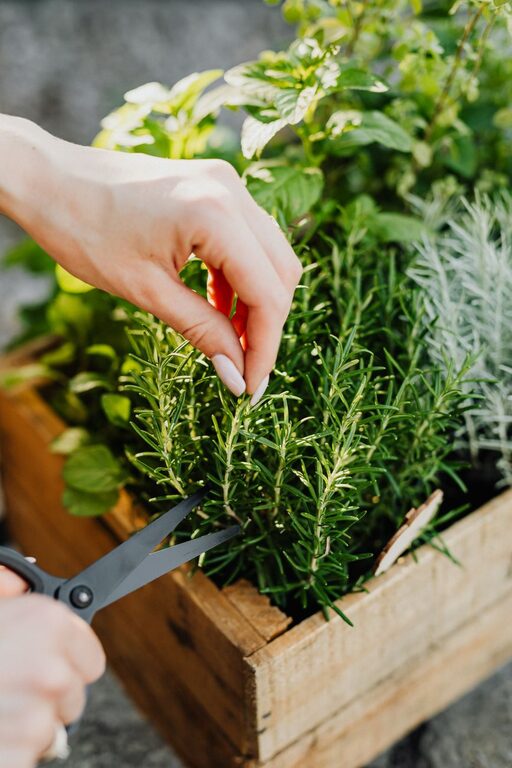
Keep mint in its own container because it can spread quickly. Harvest only what you need, using clean scissors or garden snips. Regular trimming often encourages many herbs to produce new growth.
Label each plant with a small marker. This is especially helpful when several herbs look alike or when you are trying a new variety.
8. Match Herbs With Everyday Meals
One of the easiest ways to enjoy an herb garden is to plan a few simple pairings.
For breakfast
Add chives or parsley to scrambled eggs, omelets, or savory toast. A little fresh dill can brighten cottage cheese or a vegetable spread.
For lunch
Use basil, parsley, or mint in salads, wraps, and sandwiches. Chopped herbs can also add flavor to a simple bowl of beans or grains.
For dinner
Rosemary and thyme pair well with roasted vegetables. Basil works in tomato dishes, while parsley adds a fresh finish to soups and pasta.
For snacks and drinks
Mint can be added to cold water, iced tea, or fruit. Fresh herbs also make a simple yogurt dip more interesting.
Harvest herbs just before using them for the best flavor. Rinse them gently and pat them dry with a clean towel.
9. Keep Care Simple and Consistent
An easy routine is more useful than a complicated schedule. Set aside a few minutes several times a week to check the plants.
Look for:
– Dry soil
– Yellowing leaves
– Insects
– Broken stems
– Crowded growth
– Signs that a plant needs more light
Remove damaged leaves and trim herbs regularly. Keep the growing area tidy by clearing away fallen leaves and wiping water from nearby surfaces.
Use fresh potting mix made for containers, and replace plants that have become tired or unproductive. Some herbs are annuals and naturally slow down after a season, while others can continue growing with proper care.
10. Make Gardening Part of Your Cooking Routine
The most successful herb garden is one you enjoy using. Keep scissors near the pots, place favorite herbs close to the kitchen, and choose containers that make harvesting simple.
You can also create a weekly “herb of the week” habit. Pick one plant to feature in meals, then try it in a soup, salad, vegetable dish, or homemade sauce. This keeps the garden interesting and helps prevent herbs from going unused.
Easy herb gardening is about freshness, convenience, and enjoyment. With a few well-chosen plants, accessible containers, and a simple care routine, you can bring colorful flavor to everyday cooking while creating a welcoming garden space at home.
